The Science of Rejuvenation: 5 Discoveries in Biological Age Reversal

Longevity research has made remarkable progress in understanding how biological age—the functional state of cells and tissues—can be reversed or slowed. Unlike chronological age, biological age reflects the wear and tear on the body at a molecular and cellular level. Recent scientific breakthroughs reveal mechanisms that may restore youthful function in cells, offering new insights into aging biomarkers and cellular rejuvenation. This article presents five key discoveries in biological age reversal, grounded in peer-reviewed data and laboratory models.

1. Cellular Reprogramming Using Yamanaka Factors
Cellular reprogramming involves resetting mature cells to a more youthful, pluripotent state. This process uses a set of transcription factors known as Yamanaka factors (Oct4, Sox2, Klf4, and c-Myc), which can erase cellular age markers and restore cell function.
Mechanism: Yamanaka factors reprogram the epigenetic landscape, effectively "wiping clean" the cell's identity and age-related changes.
Research findings: Studies in mice have shown partial reprogramming can reverse signs of aging without causing loss of cell identity or tumor formation.
Analogy: Imagine a computer being reset to factory settings, removing accumulated errors and restoring performance without deleting essential software.
This approach highlights the potential for cellular rejuvenation by targeting the root causes of aging at the epigenetic level.
2. Telomere Dynamics and Telomerase Expression
Telomeres are protective caps at the ends of chromosomes that shorten with each cell division, contributing to cellular aging. Telomerase is an enzyme that can extend telomeres, potentially reversing this aspect of biological aging.
Mechanism: Telomerase adds repetitive DNA sequences to telomeres, maintaining chromosome stability.
Evidence: Laboratory models show that activating telomerase in aged cells can restore telomere length and improve cell function.
Data point: In mouse models, telomerase activation extended lifespan and improved tissue regeneration without increasing cancer risk when carefully controlled.
Analogy: Telomeres act like the plastic tips on shoelaces, preventing fraying; telomerase repairs these tips to keep the laces intact longer.
Understanding telomere dynamics provides a measurable aging biomarker and a target for biological age reversal.

3. Senolytic Mechanisms: Clearing Senescent Cells
Senescent cells are aged cells that no longer divide but release inflammatory factors that damage surrounding tissue. Removing these cells can reduce chronic inflammation and improve tissue function.
Mechanism: Senolytic agents selectively induce death in senescent cells, sparing healthy cells.
Scientific results: Animal studies demonstrate that clearing senescent cells improves physical function, reduces age-related diseases, and extends healthspan.
Example: Mice treated with senolytics showed improved cardiovascular and kidney function.
Analogy: Senescent cells are like broken streetlights that not only stop working but also cause hazards; senolytics remove these faulty lights to restore safety.
This research supports the role of senescent cell clearance in biological age reversal and longevity research.
4. Mitochondrial Function and NAD+ Pathways
Mitochondria generate cellular energy but decline in function with age. NAD+ is a critical molecule for mitochondrial health and energy metabolism.
Mechanism: NAD+ participates in redox reactions and activates enzymes involved in DNA repair and metabolism.
Findings: Studies show NAD+ levels decrease with age, impairing mitochondrial function. Restoring NAD+ in animal models improves energy metabolism and reduces age-related decline.
Data: NAD+ precursors enhanced muscle function and cognitive performance in aged mice.
Analogy: Mitochondria are cellular power plants, and NAD+ is the fuel that keeps them running efficiently.
Research into NAD+ pathways reveals a biochemical target for improving cellular energy and reversing aspects of aging.
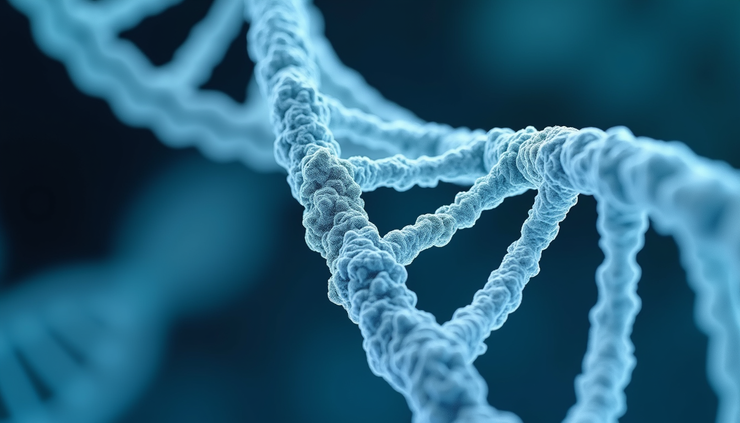
5. Epigenetic Editing and AI-driven Biomarkers
Epigenetic changes regulate gene expression without altering DNA sequence and are central to aging. Advances in gene editing and artificial intelligence (AI) enable precise modification and measurement of these changes.
Mechanism: Epigenetic editing uses tools like CRISPR to add or remove chemical tags on DNA, potentially resetting the epigenetic clock.
AI role: Machine learning models analyze complex aging biomarkers to predict biological age and monitor intervention effects.
Research: Experimental models show targeted epigenetic editing can restore youthful gene expression patterns.
Analogy: Epigenetic marks are like bookmarks in a book, guiding which pages to read; editing these bookmarks can change the story the cell tells about its age.
This integration of epigenetic editing and AI enhances precision in biological age reversal research.
These five discoveries collectively reshape our understanding of aging biology. They demonstrate that biological age is not fixed but can be modulated through cellular and molecular interventions. By focusing on cellular rejuvenation, telomere maintenance, senescent cell clearance, mitochondrial support, and epigenetic regulation, longevity research moves toward measurable and actionable strategies. These advances refine aging biomarkers and the epigenetic clock, offering a clearer picture of how to potentially restore youthful function in cells.
The ongoing research underscores that aging is a complex, multifactorial process. The convergence of these scientific breakthroughs provides a foundation for future studies and clinical applications aimed at improving healthspan and quality of life.


Comments